
Community
Bob Iger, former Disney CEO, honored as 2026 PAC NYC Icon of Culture
By Maria Gomez
Advertisement · Why this ad?
Sofia Kim is an experienced journalist with a degree in Communications from Stony Brook University. With 10 years at NPR affiliate WSHU, Sofia specializes in community-focused stories that highlight the diverse voices within Manhasset. Her ability to connect with residents and uncover their stories has made her a trusted presence in local journalism.
More from Sofia →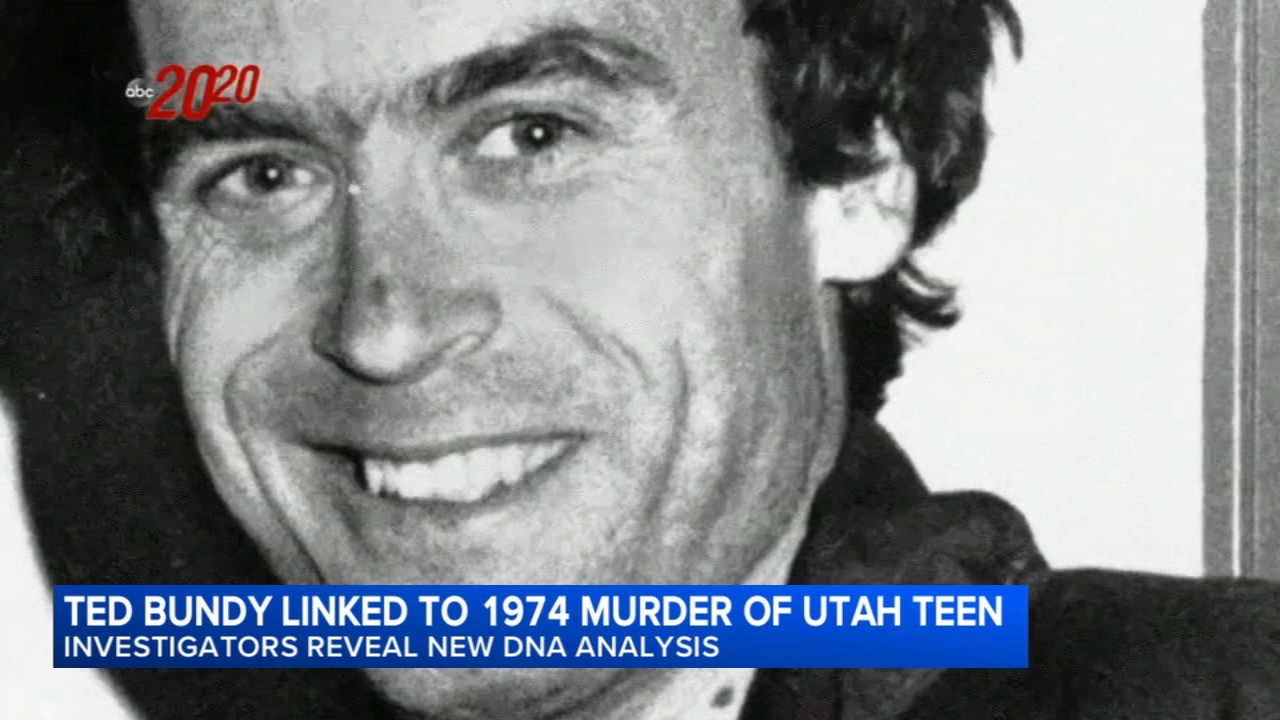
In the quiet town of Manhasset, the resurfacing of a decades-old tragedy has stirred memories and emotions, bringing a haunting reminder of the fragility of life and the shadows that sometimes linger in our communities. This chilling connection, linking the infamous Ted Bundy to a local teenager's unsolved homicide, resonates deeply, prompting reflection on justice, healing, and the enduring strength of community.
Authorities announced on Tuesday a significant breakthrough in a decades-old cold case: DNA evidence has definitively linked serial killer Ted Bundy to the death of a Utah teenager. This revelation, stemming from a homicide that occurred in the 1970s, adds another grim chapter to the notorious criminal's legacy and offers a glimmer of hope for closure to a family that has waited for answers for nearly half a century.
The announcement confirms what many investigators and victim advocates have long suspected: the full scope of Bundy's horrific crimes may still be unknown. The victim, a Utah teenager whose life was tragically cut short, represents countless individuals whose potential was stolen by one of America's most infamous predators. Her story, once full of dreams and promise, now serves as a somber reminder of the devastating impact of violence on families and communities.
This breakthrough underscores the tireless dedication of law enforcement and forensic scientists who continue to pursue justice, even against the backdrop of decades. The application of advanced DNA technology to cold cases is revolutionizing investigations, providing new avenues for closure that were unimaginable in the 1970s. For more on how DNA evidence is transforming criminal investigations, visit the FBI's CODIS program.
Ted Bundy, active in the 1970s, was responsible for numerous murders across several states, leaving a trail of terror and grief from the Pacific Northwest to Florida. His cunning and deceptive nature allowed him to evade capture for extended periods, making him one of the most studied and reviled figures in criminal history. This new DNA evidence links him to a previously unsolved case, expanding the known scope of his horrific actions and reminding us of the insidious nature of evil.
The impact of Bundy's crimes extended far beyond the immediate victims and their families, casting a long shadow over an entire generation. Communities grappled with fear and uncertainty, and parents held their children closer, understanding that danger could lurk even in seemingly safe environments. The psychological toll on society was immense, prompting a reevaluation of public safety and criminal profiling techniques.
Understanding the historical context of such crimes is crucial for preventing future tragedies and supporting victims. Resources like the National Criminal Justice Reference Service provide valuable insights into crime trends and prevention strategies. The enduring nature of these cold cases highlights the importance of maintaining vigilance and supporting law enforcement efforts to bring perpetrators to justice, no matter how much time has passed.
Even though this news originates from Utah and decades past, it serves as a poignant reminder for us here in Manhasset about the enduring importance of community vigilance and the safety we often take for granted. This revelation is more than just a piece of historical news; it resonates deeply within our local community, reminding residents of our shared vulnerability and the importance of safeguarding our families and neighborhoods.
Families in Manhasset are grappling with the resurfacing of this dark chapter, reflecting on how such tragedies can ripple through generations. The strength of our community lies in our commitment to one another, fostering environments where children can grow up safe and secure, supported by strong marriages and intact families. The societal costs of crime are immeasurable, but the resilience of a united community can offer solace and strength.
This news sparks conversations about justice and healing in the face of unresolved pain, not just for the victim's family in Utah, but for anyone touched by similar losses. It reinforces the need for robust community safety initiatives and open dialogue about protecting our loved ones. For information on local safety programs and resources, residents can often consult their local government websites or Nassau County resources.
The journey toward closure for families affected by violent crime is often long and arduous. This DNA connection offers a tangible step forward, providing answers that can begin the healing process. It reminds us of the profound importance of supporting victims' families, offering them compassion, resources, and a voice in the pursuit of justice. Organizations like the Office for Victims of Crime provide essential services and advocacy.
The pursuit of justice is a cornerstone of our society, reflecting our collective belief in accountability and the sanctity of human life. While Bundy himself was executed in 1989, the identification of his connection to this cold case ensures that the victim's story is heard and her memory honored. This ongoing commitment to justice, even posthumously, provides a measure of peace for those left behind.
For families dealing with the trauma of missing loved ones or unsolved cases, the National Center for Missing and Exploited Children offers critical support and resources. Their work is vital in helping families navigate the complexities of such situations and advocating for continued investigative efforts.
As the community reflects on this unsettling connection, there is a renewed commitment to honor the memory of the lost and to ensure that such stories are not forgotten. This case serves as a powerful reminder of the advancements in forensic science and the unwavering dedication of those who work to solve cold cases. The hope is that this breakthrough will inspire further efforts to bring resolution to other families still waiting for answers.
The collective yearning for closure and understanding that this news evokes strengthens our resolve to build safer, more resilient communities. It encourages us to cherish the stability of our homes, the bonds of our families, and the authentic faith that guides many in Manhasset. The lessons learned from past tragedies, however painful, can serve as a catalyst for positive change and heightened awareness.
This story, while rooted in a dark past, ultimately speaks to the enduring power of hope and the relentless pursuit of truth. It reminds us that even after decades, justice can prevail, and the memories of those lost will continue to inspire a collective commitment to vigilance, community, and the unwavering belief in a safer future for all. For those interested in the broader history of criminal justice and its evolution, institutions like the National Institute of Justice offer extensive research and data.
Our community's strength is built on shared values and mutual support. Resources are available for those seeking to understand the psychological impact of crime or contribute to community safety. The American Psychological Association offers insights into violence and trauma, while local police departments, such as the Nassau County Police Department, provide direct avenues for community engagement and crime prevention. By staying informed and engaged, we can collectively work towards a future where such tragedies are prevented and justice is always served.
By Maria Gomez
By Maria Gomez

By Maria Gomez
By Maria Gomez